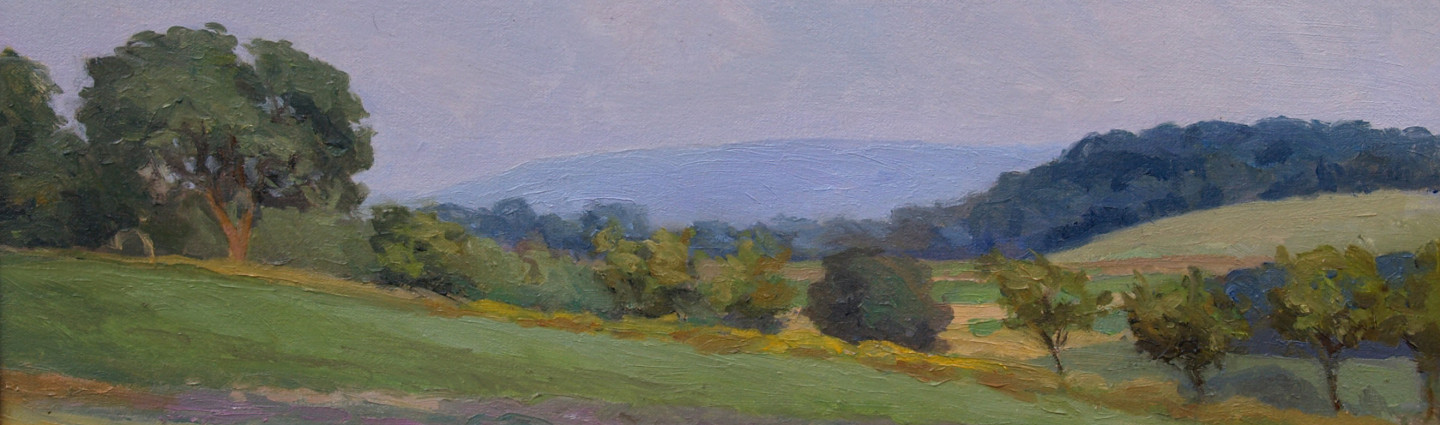
Joseph Skrapits
Joseph Skrapits
Allentown resident Joseph Skrapits began painting in 1985 as a pupil of the late Italian-American artist Antonio Salemme. Salemme taught a direct, alla prima approach to oil painting that stressed the structural and emotional properties of color, a practice rooted in late-19th-century .
Building on this foundation, Skrapits made frequent trips to France in the 1980s and 1990s to study the art of the Impressionists while writing about their methods for national art magazines. He also made study/painting trips to Italy, England, the Netherlands, and Greece. While foreign locales were important to his early development as a painter, the Pennsylvania landscape near his home in the Lehigh Valley remains his primary source of inspiration. Favorite painting sites include the upper Jordan Creek valley near , the farmland of the in Berks County, and the banks of the Lehigh River and Lehigh Canal. Skrapits believes that the challenge of painting en plein air — that is, outdoors in direct contact with the motif — promotes fresh responses that stimulate creative growth.
Skrapits is a former contributing editor for American Artist and a current contributor to . His paintings are in numerous corporate, institutional and individual collections in the area, including , and .
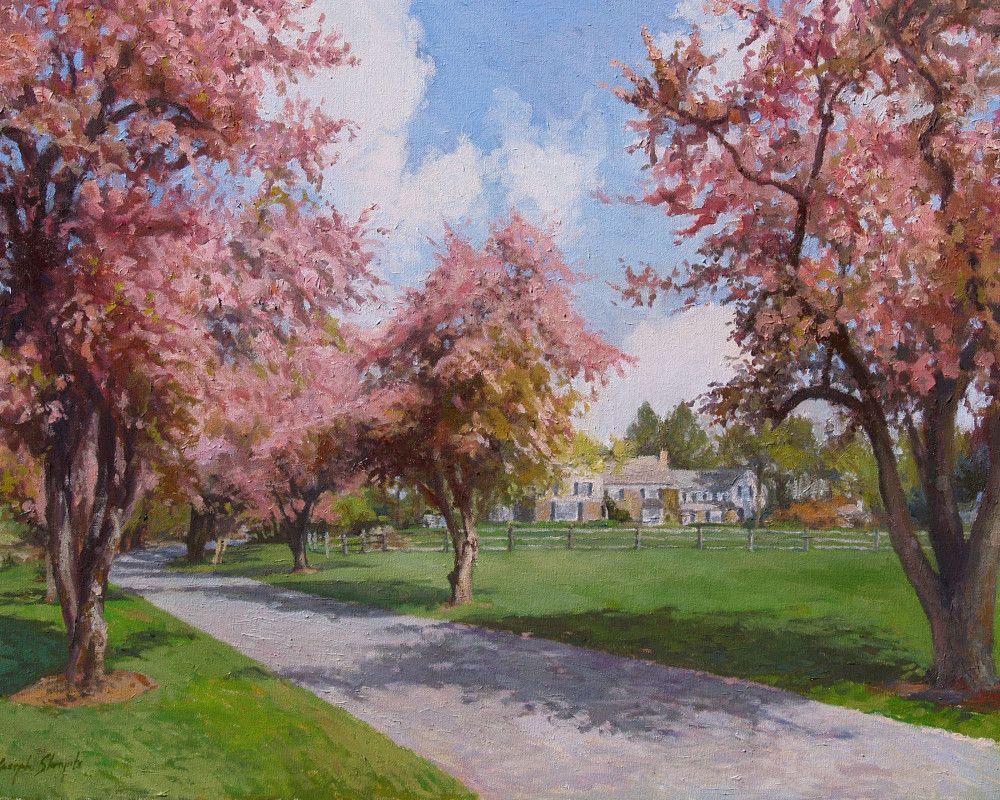
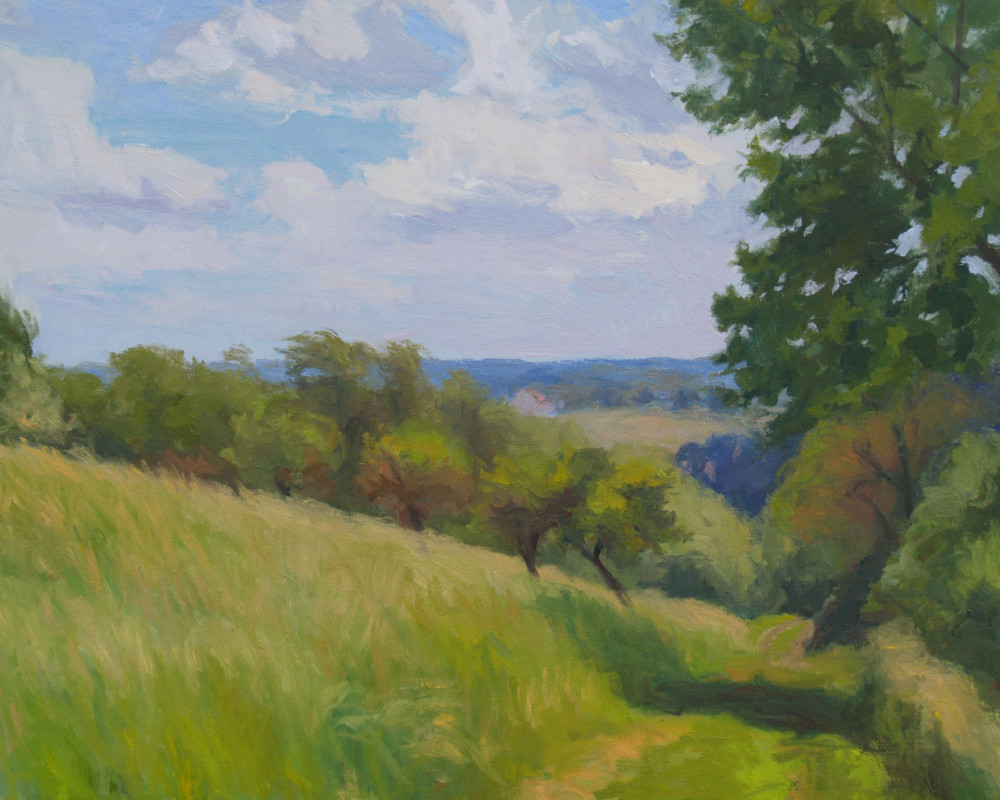
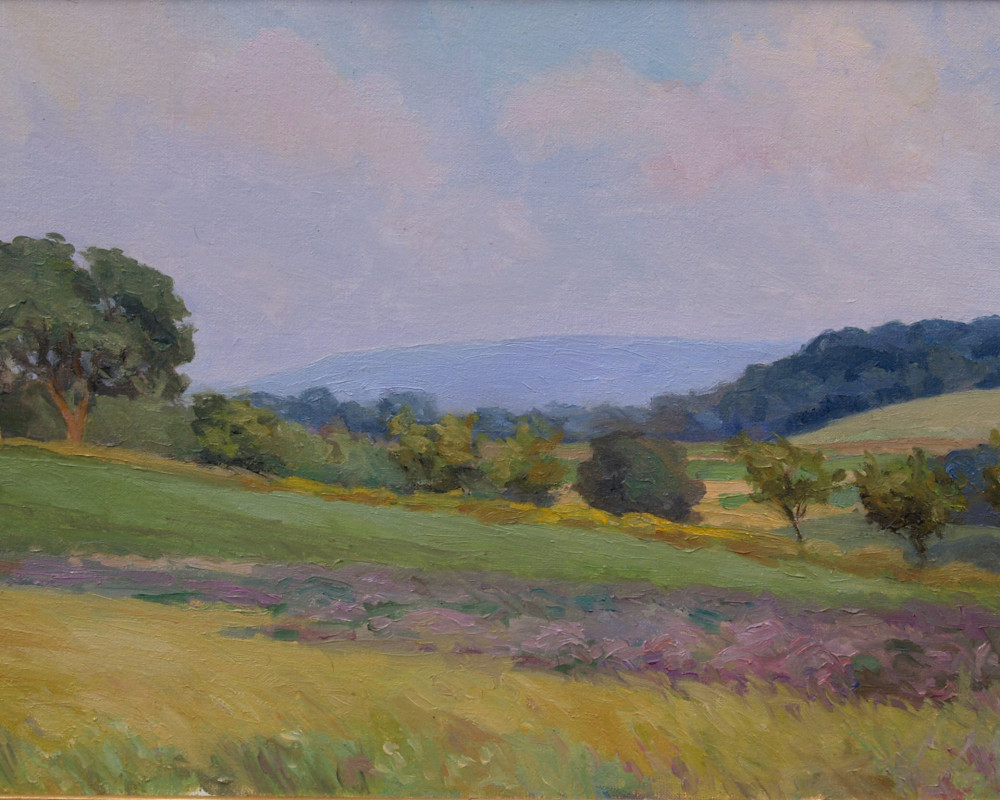
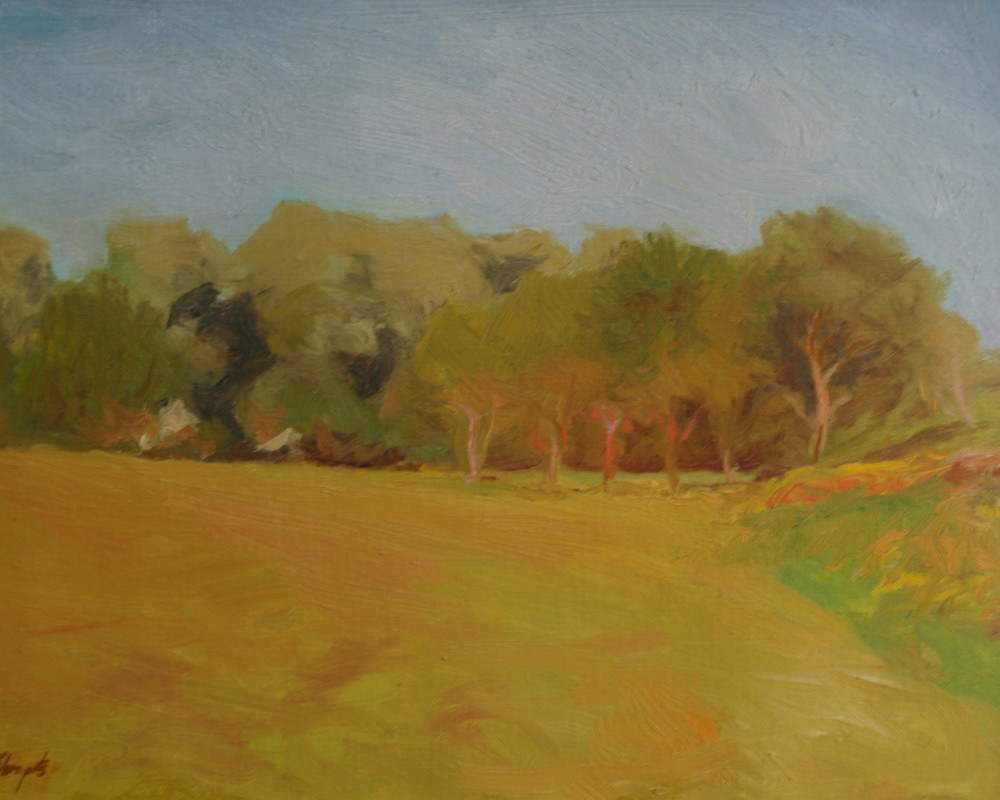
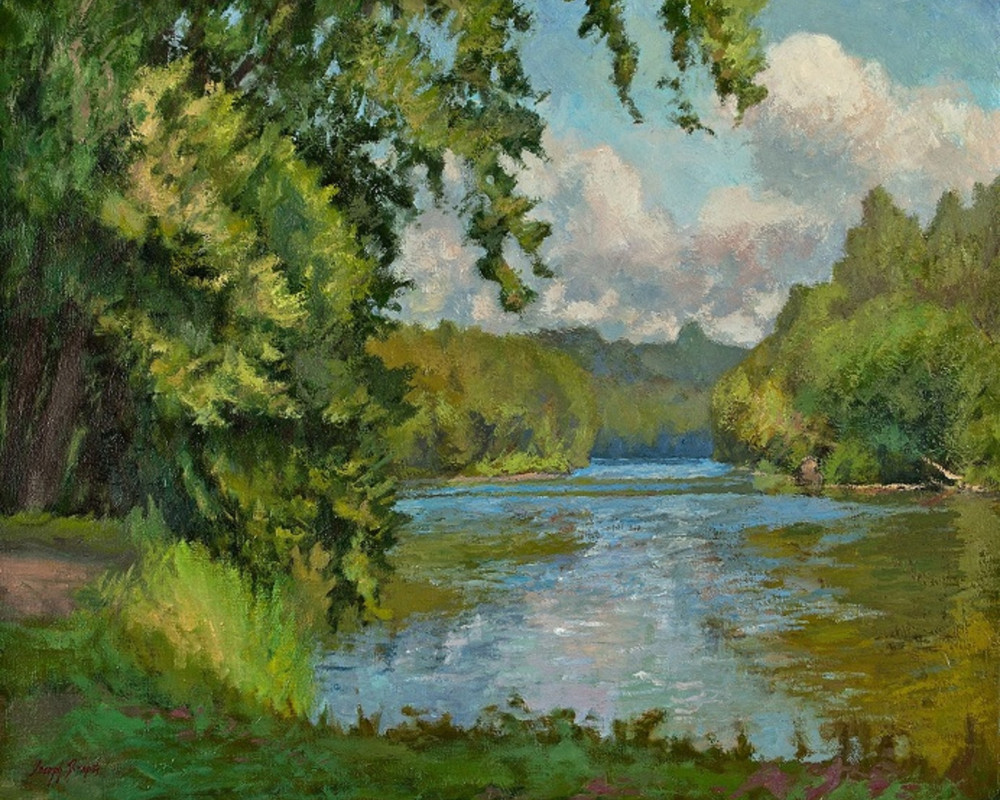
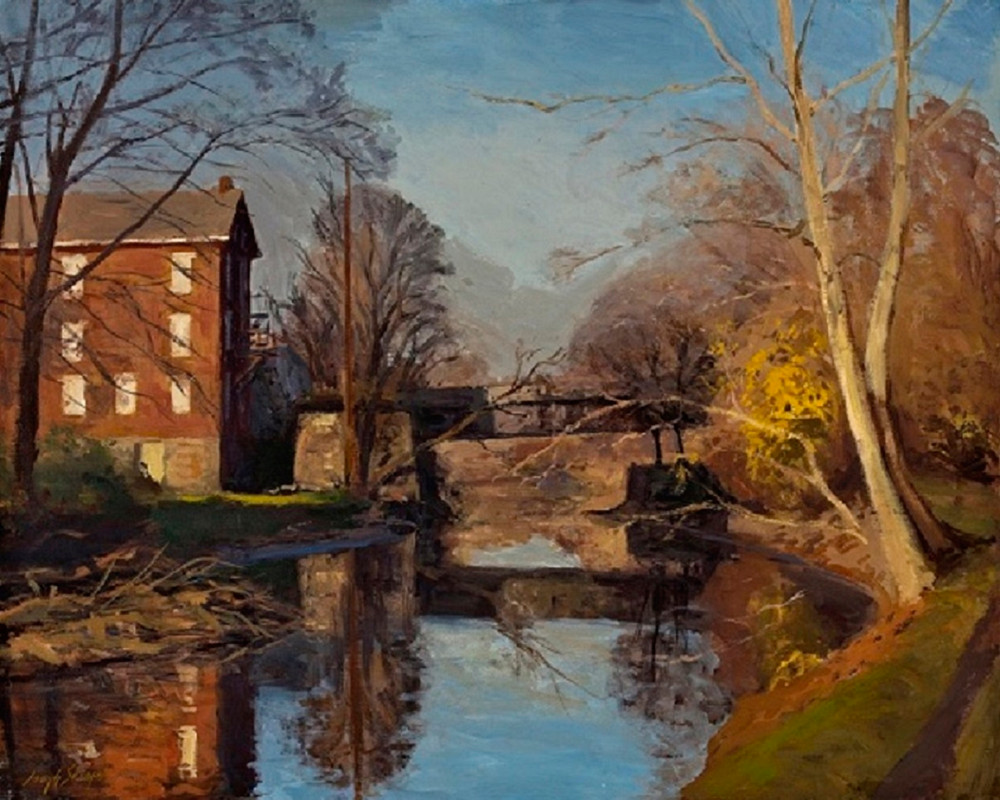
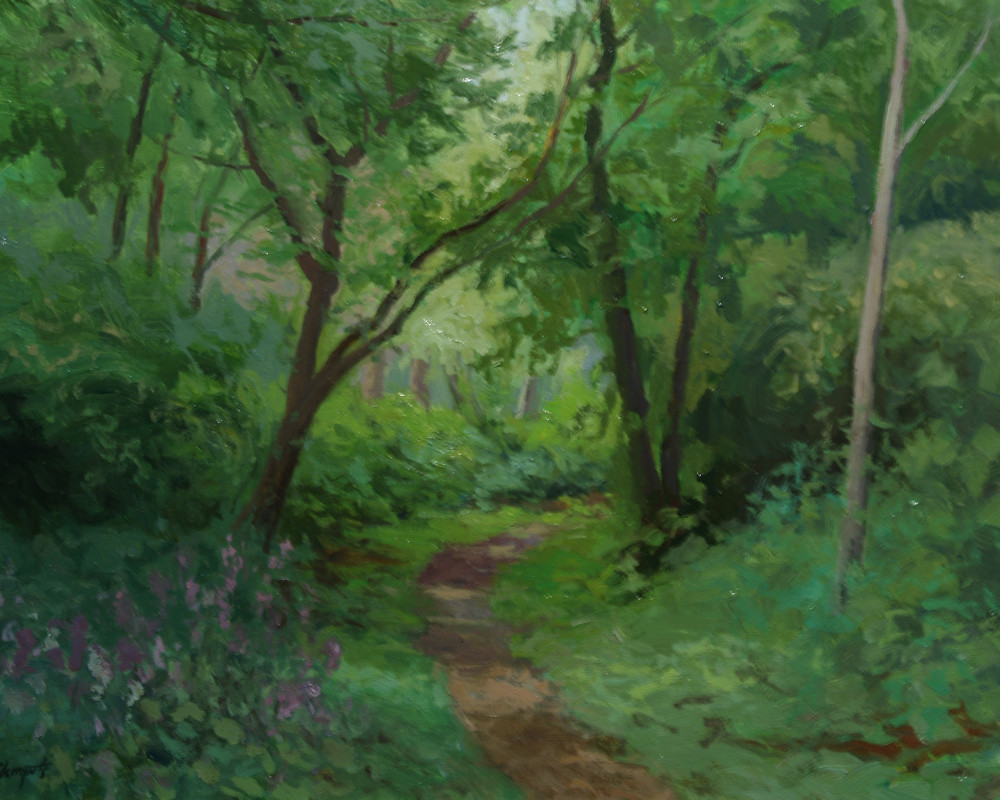
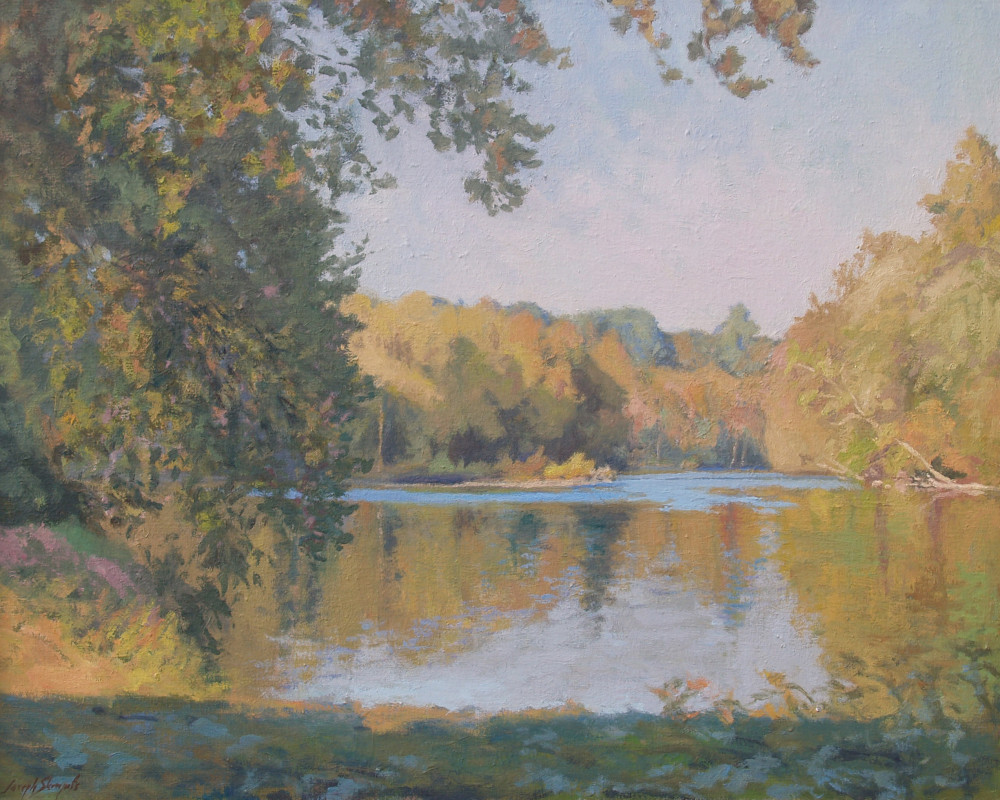
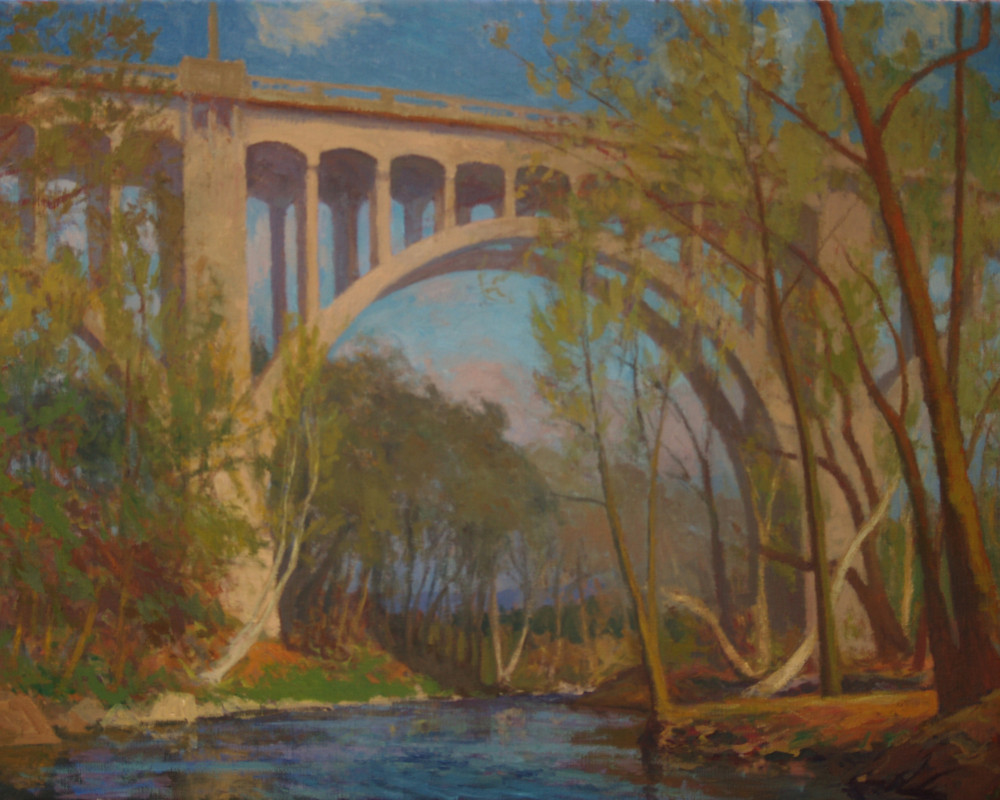
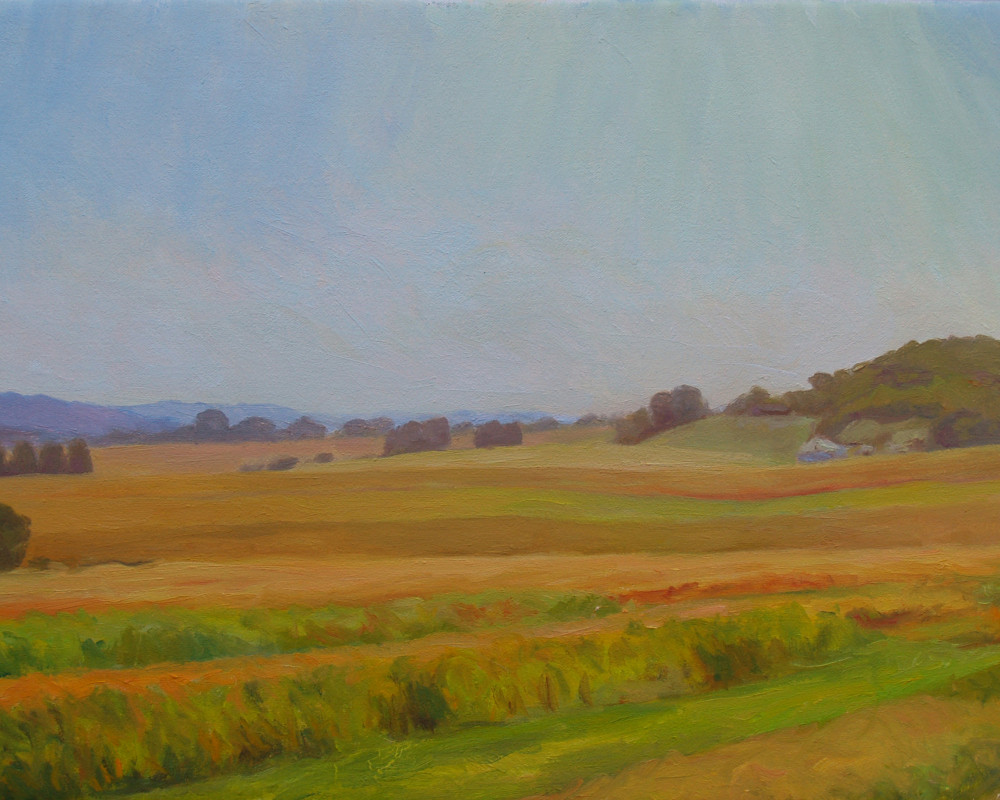
After thirty years of painting, I’ve grown comfortable with the fact that I’m a local artist, emphatically. My work deals with the particulars of place, characteristic features that once made every locale distinct from every other. The subjects of my paintings are for the most part remnants of an older Lehigh Valley, places that have escaped (so far) the obliterating touch of the real estate developer and the traffic engineer. In my paintings I aspire to generate the sort of aesthetic pleasure I first discovered in the works of the 19th-century artists I admire. To my surprise, painting hasn’t gotten any less difficult or more predictable over the years: every painting is the first day of creation, and a new struggle. Which keeps it interesting; there’s always the hope that I might produce a better picture this time. That, along with the magnificent example of the masters and my wife’s unstinting generosity and encouragement, is what keeps me painting.